Shadows, Spooks and Surveillance
Advice for Journalists Covering the Macabre

CChina In Arms BOOKSTORE and GIFT SHOP!
Twitter and YouTube Page
Subscribe: $5 Month/$50 Annual (unable to secure a subscription contact the bank for permission for Stripe deposits).
Paid Subscriptions can choose 2 free books AND if you live in Taipei, a free coffee and a couple hours of conversation.
13 March 2023
Secrets, Shadows, Spooks
Advice for Journalists Covering the Macabre
By Wendell Minnick (Whiskey Mike) 顏文德
TAIPEI - In my business, you are never alone.
I have had three friends arrested for spying for China both in Taiwan and the United States. All were nice folks.
I met my wife via a Taiwan military liaison officer. She’s been a great wife and I have great kids. But still…
Taiwan’s National Security Bureau (NSB), a mix of CIA/FBI, are too easy to spot on the street. They wear the same dress shoes made by the military's 205th Arsenal under the Material Production Center; either the SS-99 or the SS-102 dress shoes.
One of the things that journalists who specialize in military issues, such as Aviation Week, Defense News and Jane’s, love to do is call out hypocrisy, at least subtly for fun. This game card is passed amongst the truly jaded defense correspondents at defense expos and airshows:
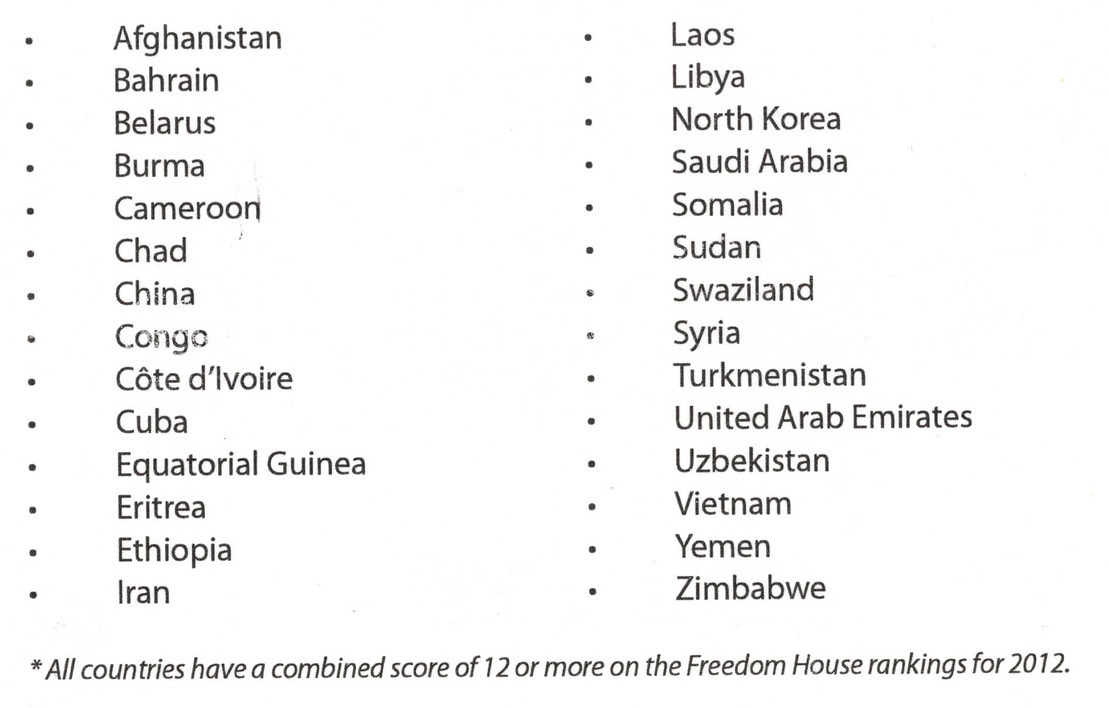
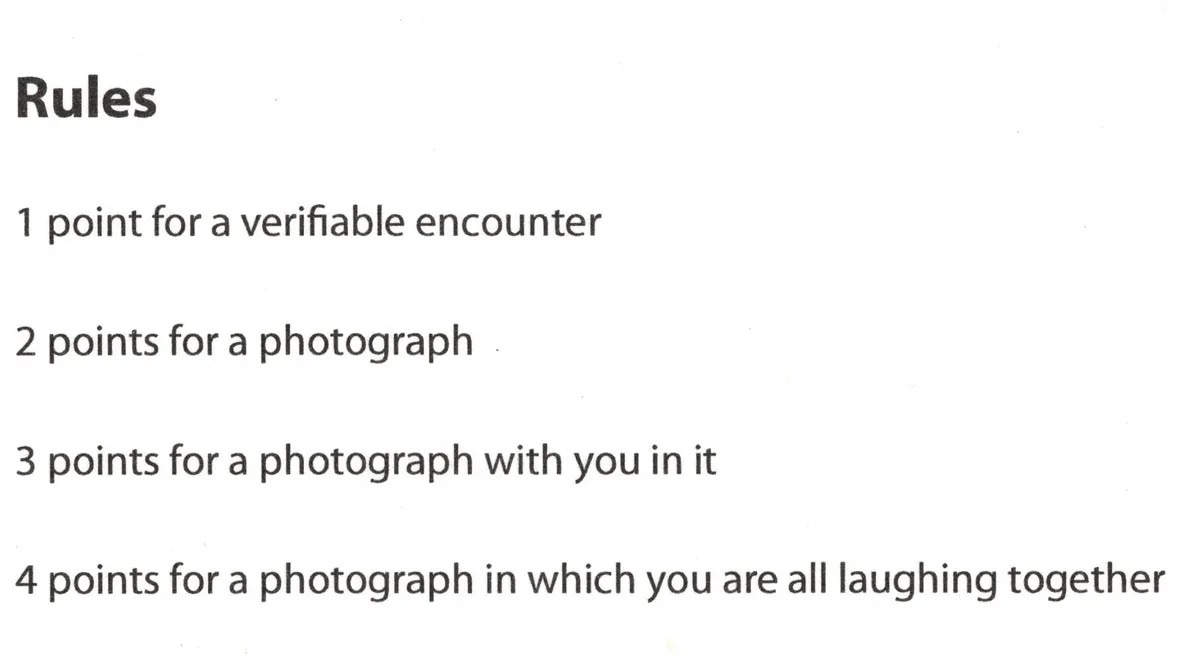
The winner gets free beers that night. I must add that tormenting human rights abusers is not advised.
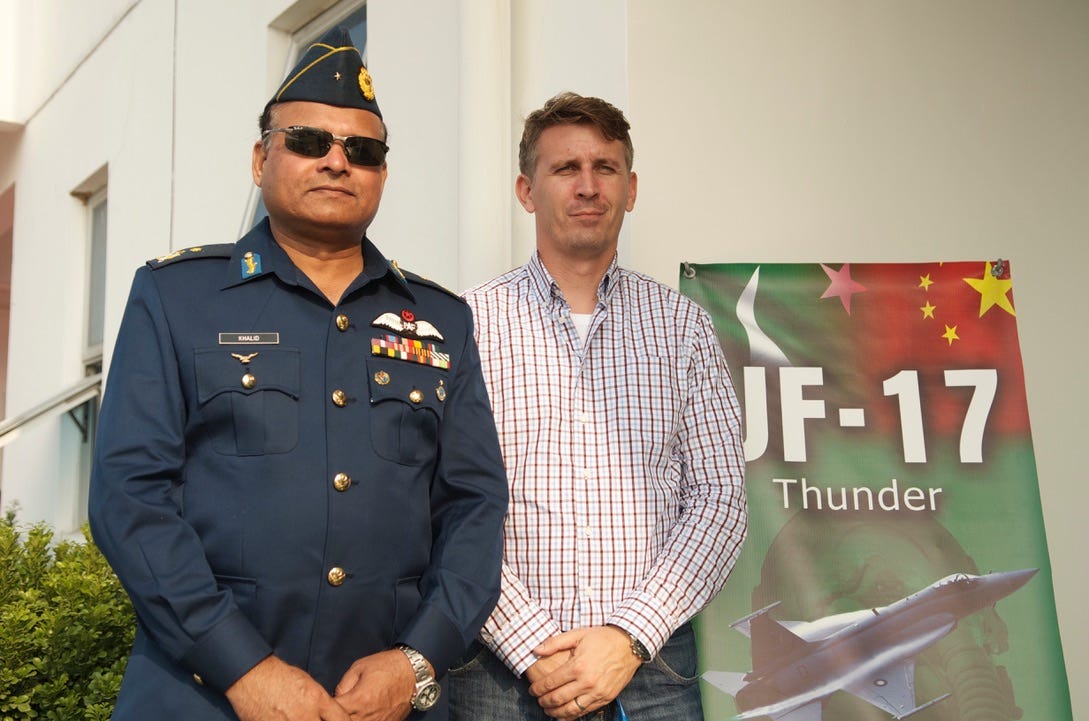
My friend from Eastern Europe won one year when Pakistan was listed. This was at the Airshow China (Zhuhai) when they were marketing the JF-17 (FC-1) fighter.
All journalists who cover violence enjoy macabre humor. If not, they will go insane.
Mark Pedelty noted in his lauded anthropological study War Stories: The Culture of Foreign Correspondents that you can be a human being or a journalist, but not both.
The game card above reenforces Pedelty’s observation that “reporters were forced to normalize the abnormal and routinize the absurd.”
If you are working on a dangerous story and worried about having an “accident”, make a copy of all the documents and give it to your lawyer with instructions to send it in separate packages to well-chosen newspapers, law enforcement agencies, attorney-generals, investigative journalists, etc. This is similar to the dead man’s switch.

The average foreign correspondent, in general, knows nothing about the military. They have “sanctioned truths” or “news frames” that must be adhered for acceptance by their peers and the editors they must grovel to.
Those covering military affairs have the same problem. You do not write a negative story about Boeing, Lockheed, Northrop without your boss getting a phone call about your purported unprofessional conduct at an airshow.
Ironically, it was their employees who bought me beers at the local whorehouse and bitched about a program that gave me the story in the first place. Singapore’s now defunct Orchard Towers (“Four Floors of Whores”) did a booming business during the Singapore Airshow and IMDEX.
In Singapore, I never wrote a negative story about anything that ST Engineering was doing. Nor was the word “Israel” ever used in any of my reports about Singapore’s military. That would have resulted in a million phone calls to my editors demanding significant changes to an article or else.
No one complained more to my boss than the Singaporean military. They tried everything to control me. At first, I was given great access to the top brass who gave me “prepared” answers to my questions. Later, as they grew to hate me, I was denied all direct access to the military.
I began to use taxi drivers for answers. I would tell them I was in the defense industry and casually ask them if they served? I would mention that I lived in Taiwan and see the reaction. Some would say, “I was there for their jungle and mountain training program” and the details would pour out. Other questions would prompt me: “Is it true there are tanks hidden under condominiums?” or “What ship were you on?”
Taxi drivers are frustrated people and frustrated people love to talk. That’s true anywhere in the world and jumping from one taxi to another after spending a half and hour in each a few times is advised for a few hours anywhere in the world that is difficult to survey.
The Singapore military went epileptic over numerous stories that just barely skirted the red line.
Early on, I was invited to a fancy expensive lunch with about ten military liaison officers who took turns yelling at me.
I said, “if you are going to scream at me, order me a whiskey.” It is very important to never eat the food on the plate during an ambush. The seafood looked great, but I was suddenly a vegetarian. They had to be tested. How angry were they?
Unfortunately, you never walk away from a fight. It is part of the story. It is either part of the learning curve or go find another line of work.
DO NOT EVER APOLOGIZE. They will use it against you.
You are often photographed at airshows and defense expos or defense conferences.
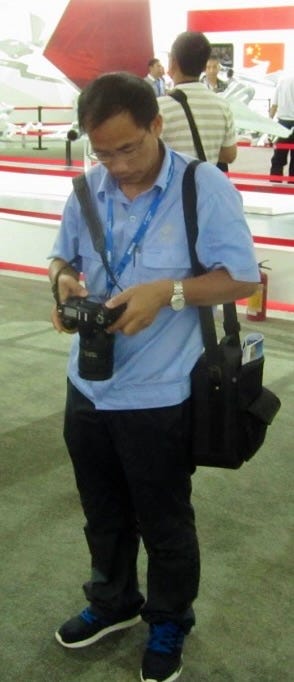
At the 2016 Airshow China I figured it was time to shoot back. Perhaps I finally snapped. How many photographs did they need!? Below is a two-man surveillance team and note the same shoes and watches. This is true everywhere. Look for it.
These men are taking what are called “target acquisition photos.”
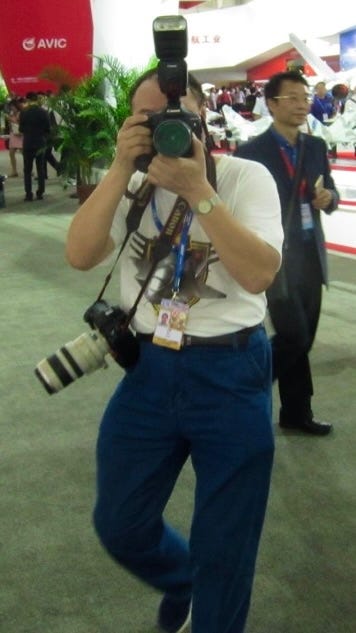
At the 2014 China Airshow all the military journalists were put in the same hotel, referred to as the “Media Hotel”. This was an older building and each of us had rooms above or below each other. The rooms were not in the hallway, but inside the emergency staircase. For ten minutes, I wandered up-and-down the hallway with Andrew Erickson looking for it. Finally we checked the fire exit door.
This is called “stovepiping” when everything was pre-WiFi. The original surveillance team was in the basement in a room with Tv monitors. They could wire everything in a wet wall or staircase to make it easier. Hard wiring was the only option before bluetooth/WiFi.
Erickson had a boots-on-the-ground philosophy. One of maybe three U.S. academics and/or think tankers I have met at the China Airshow over the years.
Most of the D.C. scholarly circuit hide behind their computer screens and cover the walls with impressive sounding books. This is more like a brick wall and each new book a brick; gradually walling themselves into a prison. They would never go to such an event without a grant paying for the trip. There is no piss and vinegar at CSIS or Heritage or Rand or any other prestigious think tank.
During my first trip to the 2006 China Airshow, I took a “burner laptop” that contained no data beyond Word and a browser. This was an older laptop that was wiped clean numerous times. I left that one in the room’s safe, but there was nothing in it to download. If someone stole it, I could care less.
I used a one-time e-mail on Yahoo for each trip. For example, Zhuhai 2012@ then changed it each show. This allowed me to file stories to my boss during the show, but I learned quickly it took hours to log onto Yahoo and that consumed valuable writing time. E-mails would bounce back undeliverable over and over again.
So eventually I began writing my articles only after leaving China.
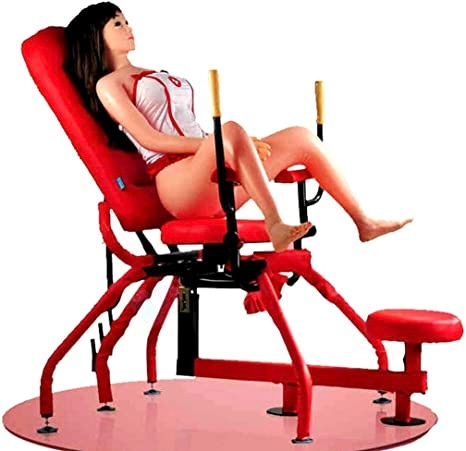
At the 2006 Zhuhai, I was still a heavy weightlifter and saw a sign in the hotel for the “Fitness Room” and went down in my sweats to tear some muscle fiber. There I met the “mamasan” who was in charge of a brothel. If there were machines inside, I am sure they were not Nautilus. Most likely an Asian “octopus chair” found in short-time hotels.
During my trips to China, when rooming with a fellow journalist, I would often use a Magic Slate to communicate about anything sensitive (even where to go for dinner). They still make these in Asia, but not sure in the U.S.

Today, I also use a Faraday bag for my phone and laptop whenever I travel outside of Taiwan or meet a sensitive source in the local defense community. These bags prevent tracking and/or downloading the contents of my phone and laptop. I use Mission Darkness, as it is successful during my so-called adventures.
I use Signal as it is, so far, the best encrypted e-mail with voice/video calls available for the commercial market. You can use it on your phone, laptop, or main computer. You can set it up to automatically delete your message a few minutes after being read. Download the Signal App on your phone first.
Here is a scenario: I have a meeting with a valuable source that could lose their jobs or even get arrested for talking to me. I use Signal to communicate and set up a meeting. Then before I leave the house the phone is turned off and placed inside a Faraday bag. If not, even if you turn your phone off, they can still track you, therefore it remains in the bag until I return home or safely in a different area.
A source is risking their job. This makes you responsible, so do not destroy his life. A U.S. government source that has a security clearance loses everything if caught. A security clearance is like a union card. It allows them to work in their job area in the intelligence and military community and/or defense industry. Lose it and life goes to hell. The story is always the same: loss of income results in bankruptcy, divorce, and child visitation on weekends (maybe).
If a military or intelligence source gives you a document, do not quote from it. Paraphrase only. Why? Counter-intelligence folks will hand out documents to test their people. The documents might be real or fake, but they will change certain words to give it a fingerprint that can identify the person who received that document.
Task = Effort; For Example = e.g.
If you are suspicious of a trap after receiving a classified document, check if you are being followed, and if not, put it in an envelope at a stationary shop. Go to your post office (assuming you have a post office box) and put your name and PO Box number on it; as a locked box it is safe. The post office employees will not notice another envelope in the box.
If it turns out to be a trap and your office is raided by the police a few days later, the possession of classified documents will determine your fate. After a week or so, retrieve it.
When you notice you are being followed, NEVER try losing them. Let them do their job and do not meet your source or go to a sensitive place. Go to a movie, coffee shop, shopping, etc. If you lose them, and it is easy to do so, they might take revenge.
Taking your tail to a movie is fun for them. They do not like following you around all day and some popcorn and an action film gives both you and the tail a kind a bonding experience.
If you piss them off with these movie tropes of jumping in and out of taxis to lose them, then you are in trouble. When you go back to your home you might notice they had dinner and left a mess on the dining table. Nothing bad will happen to you, but it is a signal that they did not appreciate it. Also, if you have orange juice in your fridge, now is a good time to dump it.
AND some sources are not sources at all. They are influencers or specialized propagandists.
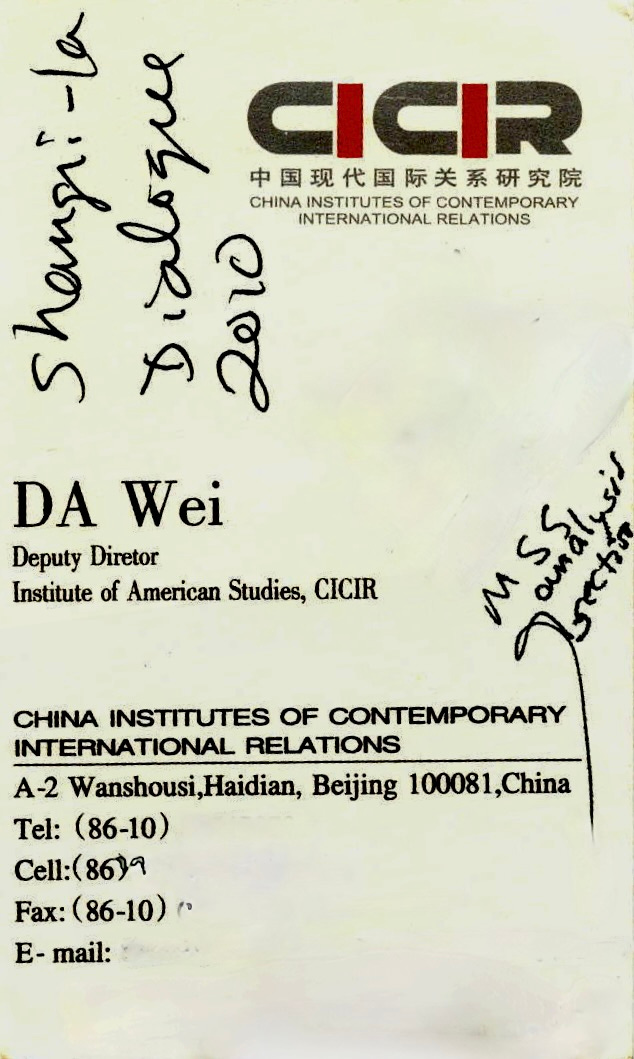
In China there is a “think tank” that is operated by the Ministry of State Security (kinda like a Chinese CIA) called CICIR (pronounced Kicker) or the China Institutes of Contemporary International Relations. They show up at international defense conferences like the Shangri-La Dialogue in Singapore and others. They try to give journalists a different narrative to the West’s Dragon Slayers (as opposed to Panda Huggers or China apologists). They also collect data on everyone at the conference for the MSS. They are not spies, per se, but they are intelligence collectors.
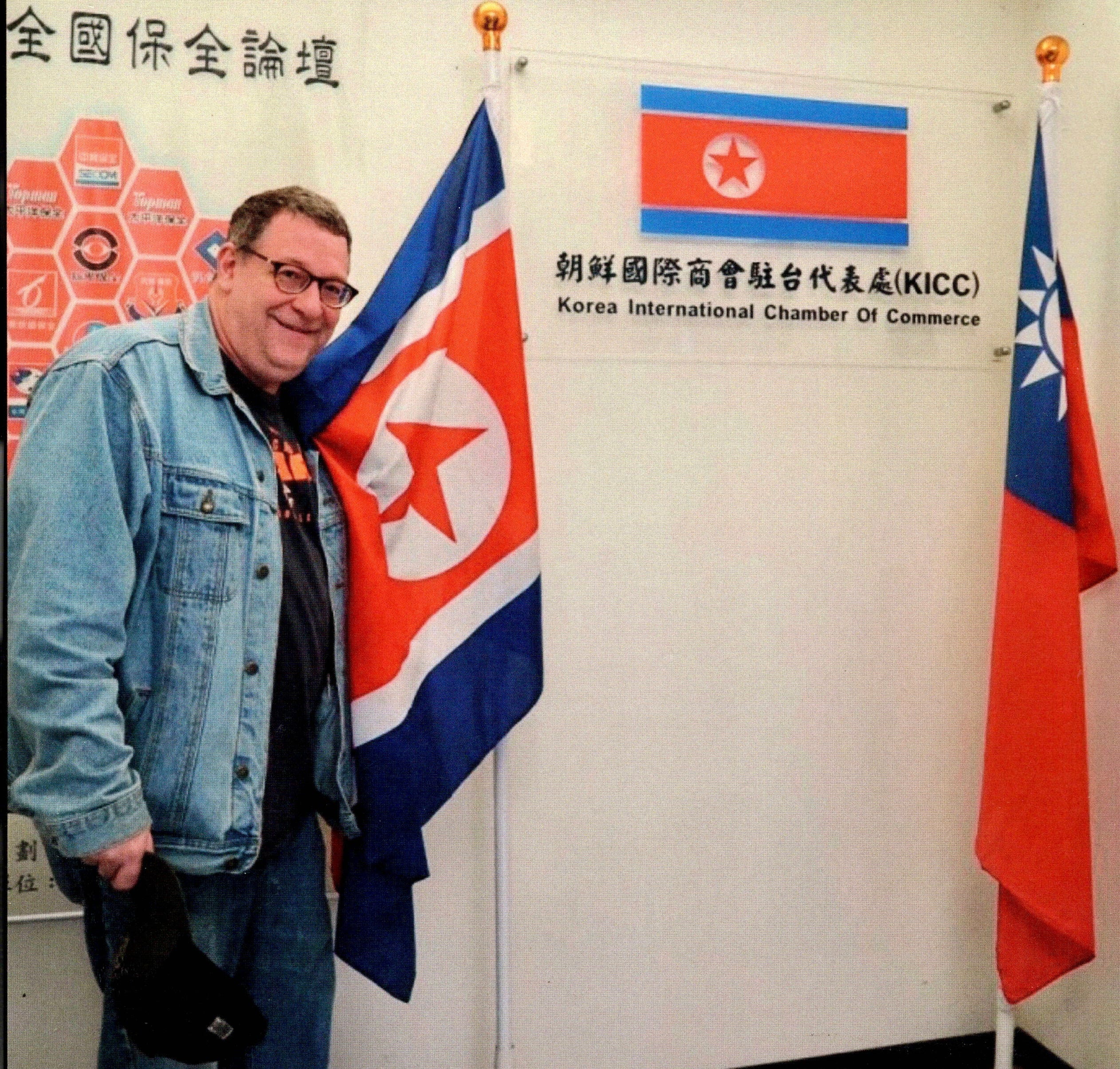
The other problem covering spooky stuff is that you have to be insane, or slightly over medicated, to jump over a fence or climb over a wall; to be invasive. AND have no fantasy that violence could be the end result.
Below is a North Korean front company in Taipei. This should be considered unprofessional conduct as a journalist. But this is the result of my jaded view of the world and the hypocrisy that exists in the human heart.
After my article came out in Asia Times, they called me to threaten my family. I responded by taking all the documents from Hong Kong, Singapore and Taiwan and published them on Amazon just because I am the boss.
You have to be the boss or you are finished as a journalist. I also told them that if they sent anyone to the house to intimidate us, there would be blood.
Otherwise you are at the mercy of intimidation. Do not bother with calling the police. This is not a police matter and besides my phone calls are monitored by Big Brother. They know what is about to go down and will simply monitor it.
Pelosi and the So-Called Missile Crisis
The Pelosi visit in August in 2022 is a great example of hypocrisy. Was it a show of U.S. support for a fledgling democracy OR was it a typical “Fund Raiser” that retiring U.S. government officials make before they go into the private sector?
The money they pine for is normally for an NGO they have created. It can be a think tank or a “Save the Whale” non-profit with a profit, but the visit is NEVER about saving anyone from evil empires.
However, some in Taiwan understand this truth:
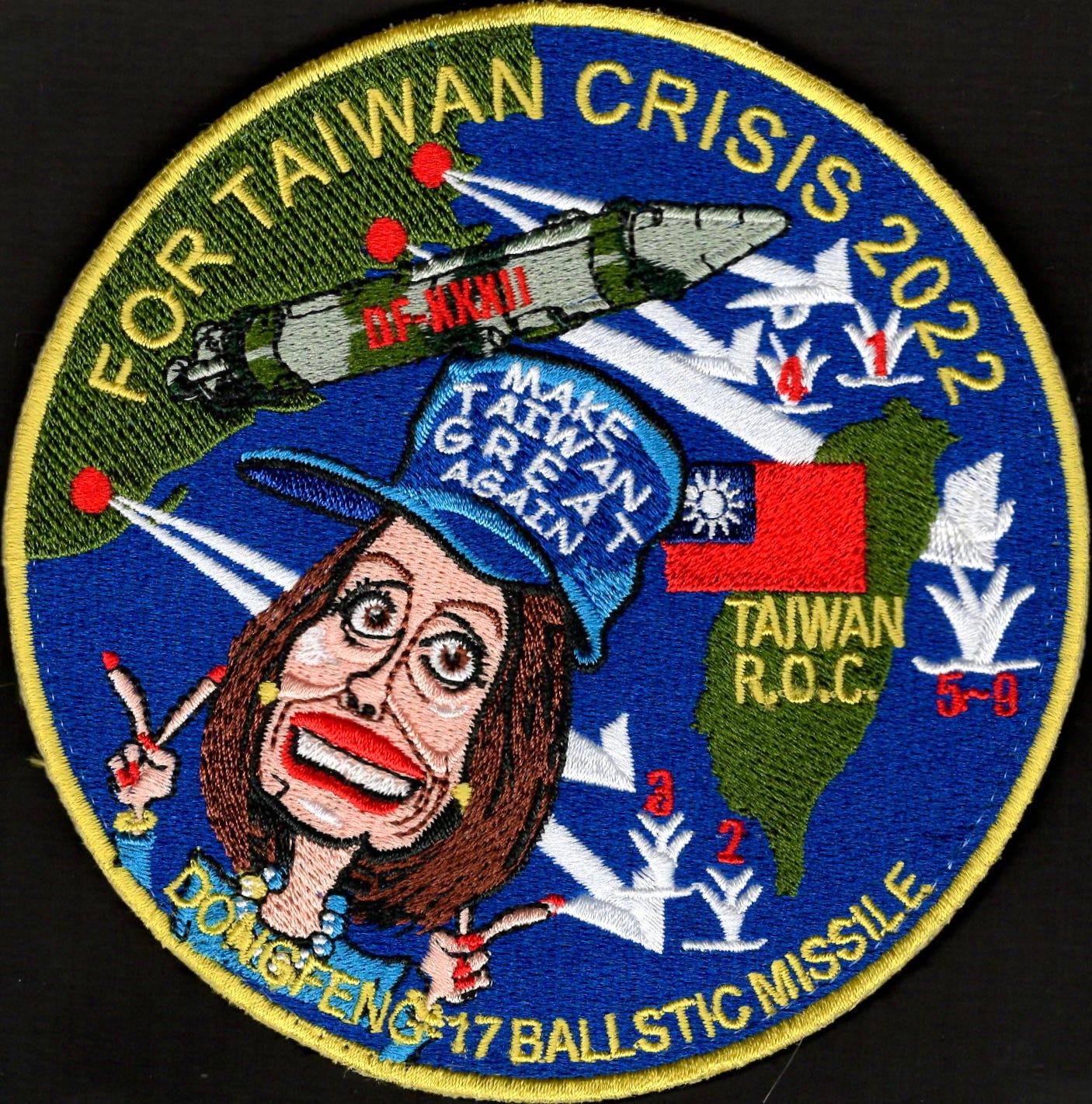
Drunks, Prostitutes, Weapons…never, never, never.
You are not James Bond. This is not a John Wick movie. You are not Hunter S. Thompson.
When Thompson went to Saigon to cover the last stand as the NVA prepared the final offensive, he did not write about it. His fellow journalists said the man was dropping acid on the frontline and endangering them with his bizarre antics. His fellow journalists covering the fall of Saigon remarked later that Hunter could not write about real fear and loathing when confronted with it.
If I had been there on the frontline with him, giving away our position with his howling at the moon, I would have shot him in the back or even asked the NVA to do it. Unfortunately, you cannot carry weapons. If captured with a weapon, they will assume your are Hostile and not Neutral.
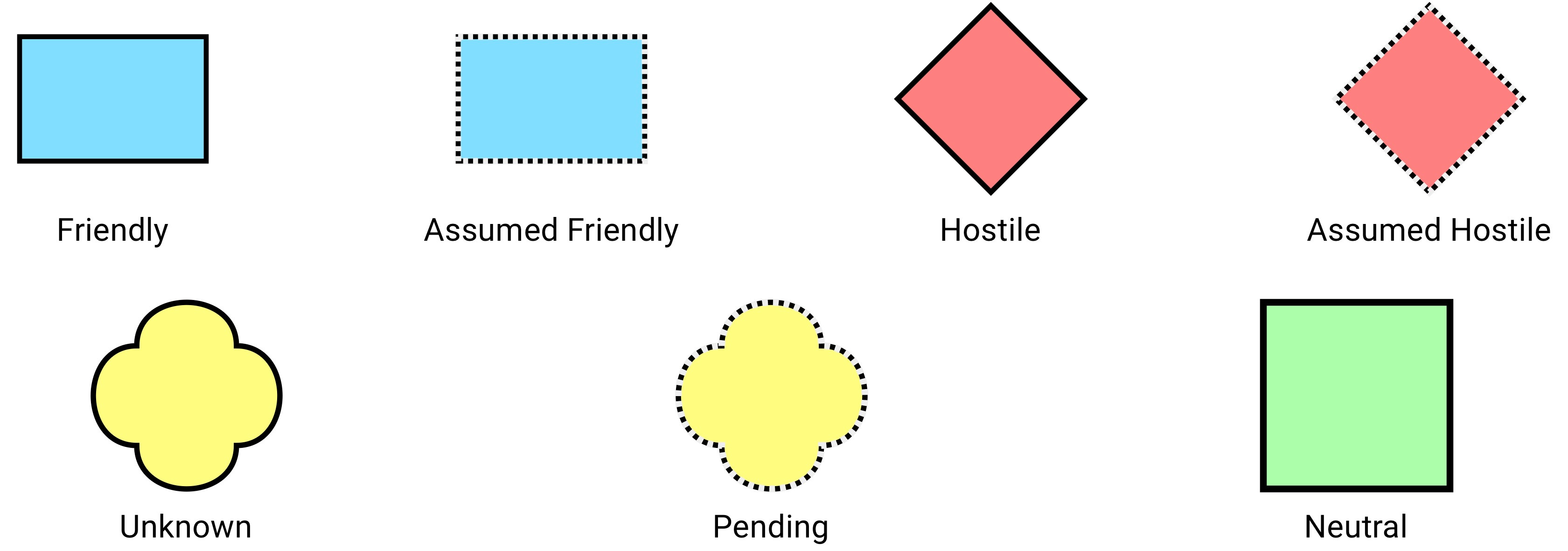
By the way, learn your Map Symbols and the Military Alphabet.
You are a journalist with a thousand eyes on you. That is, now with facial recognition and cameras everywhere. This was evident at the YITU Technologies booth at the 2018 Defense Services Asia Expo in Malaysia. The below photograph is me looking into Nietzsche’s abyss. To learn more about this scary company read THIS.
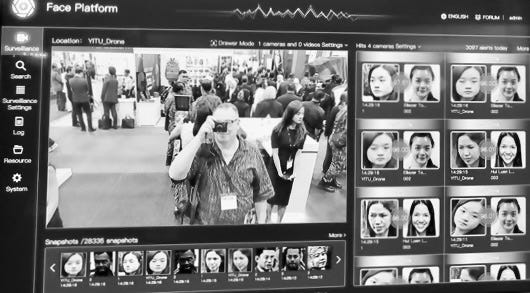
The government can track your cell phone; they can even turn on the microphone and camera.
Unfortunately your best sources are often drunk defense contractors that visit brothels. They talk when they get drunk; all frustrated people do. If you can find out where they hang out; become a regular, that familiar good ole’ boy.
It is also important to learn how to smoke coffin nails. Sources trust you more if you have the same bad habits. Buy a pack, bring it partially empty and use a Zippo with something you had engraved on it (common in the military and it gives your target a feeling of camaraderie). I recommend Marlboro reds, as they are associated with the Marlboro Man; do not use “light” cigarettes or cigarettes that are sold in pastel packages. They scream pansy.
You have to give the devil his due.
You can drink with sources in brothels, but do not leave with one of the girls unless you want a souvenir you have to explain to your wife or future wife.
You might have to carry your source out if plastered. YOU are responsible for them, that is, if they are alone. Do not leave them. Learn the Fireman’s Carry.
Alcohol is a huge problem in my business. You can test your alcohol intake by asking yourself if you match the second stage: “It is a two stage process to alcoholism. Stage One - Surround yourself with alcoholics. Stage Two - Call them your friends.”
Pedelty describes how the combination of journalism and violence results in burn-out:
“It [reporting war] has killed something in my mind. I can’t sleep. I can’t talk with people that don’t think like me. I don’t have a good time with people that just talk shit [normal conversation]. The normal ways of the journalist are not normal…. If you don’t have good morals, you become neurotic. Some get drunk, some take drugs. A lot go to Gloria’s House, to see prostitutes.”
Always stay in your lane - never forget that you can drink with your sources, but you will never be one of them. You will never be a Green Beret or a CIA Agent or a U.S. Marine. Never forget you are a journalist; your sources are not your friends, but that does not mean they are to be exploited either.
Never lie to them. Ever.
If they ask if you are a journalist, say yes and emphasize you write for a XyZ. They respect brand names such as Aviation Week, Jane’s and Defense News, far more than AP or even the New York Times. Trust me, the NYT is a joke in my world.
But you often have to massage the truth out of them. One common tactic is to Match and Mirror their behavior. If they drink wine, you drink wine. Make sure you match their level on the glass. It can be either half empty or half full, but pay attention.
If you Match and Mirror someone who spots the trick, and is a smooth talker who is firm with his positions, assume they have serious intelligence training. The U.S. intelligence community teaches various manipulation tactics including NLP.
But try not to dress like them. If they are wearing a business suit or a polo shirt, do not mirror it. If anything dress like a bum. They will either feel sorry for you or think you are an alcoholic or both. I often dressed this way to make them feel superior. If they are from Washington where everyone is in a suit-and-tie and watches their tongue, it does not hurt for them to see you as a non-threat.
In fact, it is extremely important to make them feel superior.
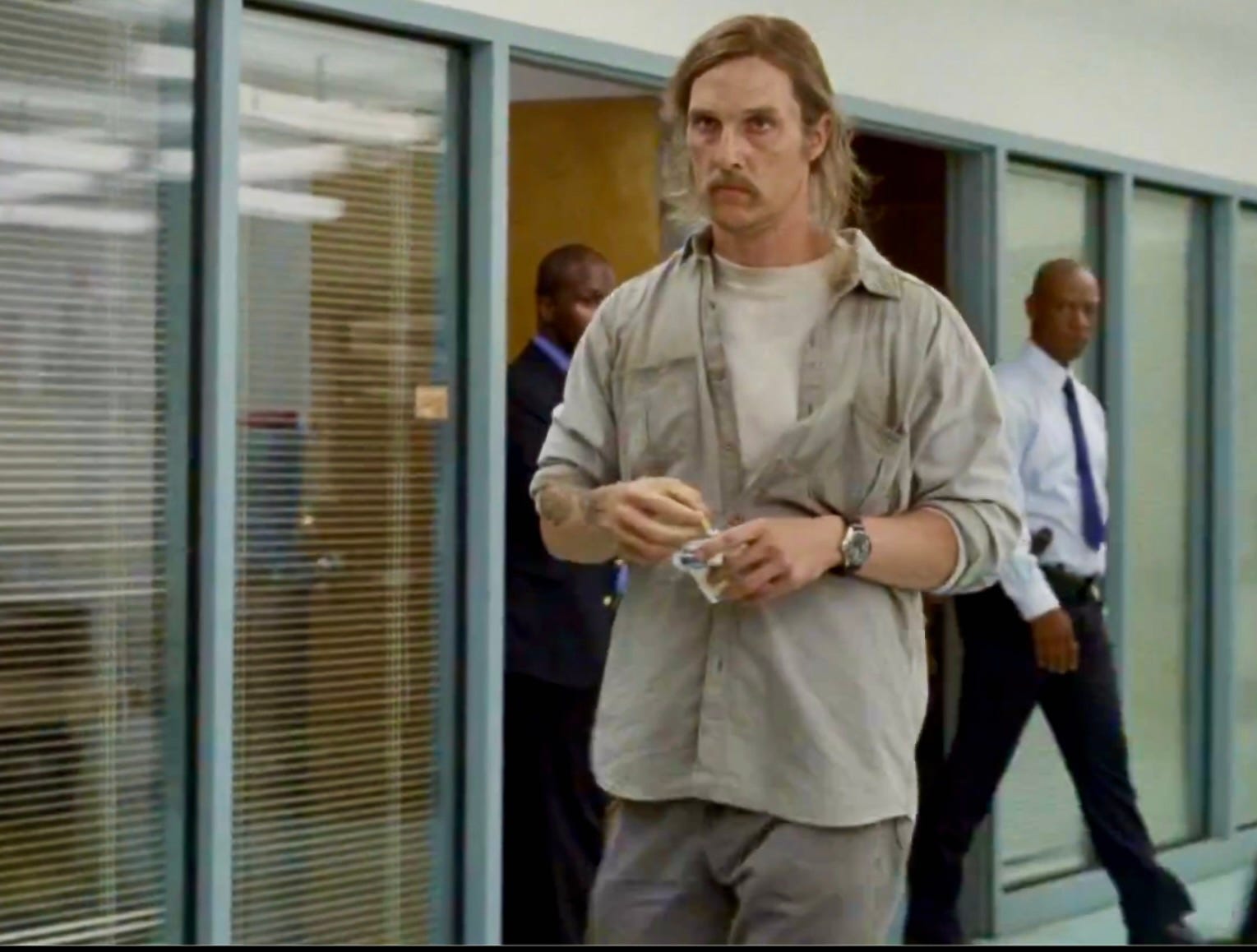
Try not to talk about work; anything but work. If they are baseball fans then conjure up stories you remember. They will eventually murmur something of significance without knowing it.
When they do give you something, even if it is small, go to the men’s room and write it down. Do not do it in front of them. And if you do not write it down, the alcohol will wipe your memory clean the next morning.
I have had sources who do not remember telling me something serious. I write the story and assign him as a “ Pentagon source”. When I see them again on their next visit to Taipei they say “Wow, how did you get that story? My boss went apeshit.” They are clueless.
Denial is the most predictable human emotion. Then they tell you something else and it builds.
The unconscious mind is driving the car and you are just a passenger waving at pretty girls. So a sleazy bar with pretty girls helps.
I have no illusions about the discomforts posed via the dilemmas and paradoxes of reporting. In Janet Malcolm’s pivotal work on the psychopathology of journalism: The Journalist and the Murderer (1990):
“Every journalist who is not too stupid or too full of himself to notice what is going on knows that what he does is morally indefensible. He is a kind of confidence man, preying on people's vanity, ignorance or loneliness, gaining their trust and betraying them without remorse,”
Photographs
You sometimes just have to protect the identity of someone to save them from the inevitable damage your photograph will cause; as a journalist you are not human, but they are; they have families to feed.
I blotted out the eyes and ears, both used to identify people, along with the moles and skin blemishes, to protect one of the security officers for Taiwan’s president. He had just come back from training at Blackwater’s North Carolina facility (no doubt should not have worn the hat at an event).
You are a journalist, not the wrath of God; destroying men who are just doing their jobs will haunt you. They are not politically important, just grunts.
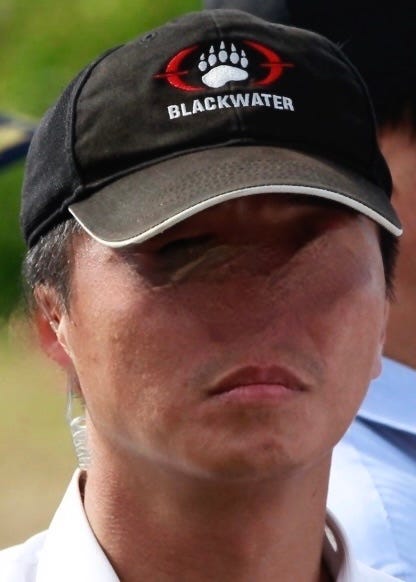
When you write a story that destroys careers or perhaps kills a billion dollar arms deal, they never forget you. Never.
You have invited these people into your life.
After 25 years covering the wacky world of the military-industrial-entertainment complex the one thing it has taught me is that their hatred only grows stronger over the years. They will go out of their way at the airport to give you a piece of their mind. It is embarrassing because I often do not remember them.
When you write someone’s name in your article, they think of it as a black spot. Eventually they blame you for every problem in their lives: job loss, bankruptcy, divorce, etc. You do not know if it is true or not. Perhaps your article hurt them, but did it kill the cow? But NEVER apologize. This will make them even more angry, especially when they realize you do not know who they are.
At one of the Airshow China Expos the surveillance folks were really on my ass. I had to get a photograph of the new Z11WB attack helicopter, but they asked the show girls to stand in front of me. This was just harassment for fun, as I had every right to photograph anything at Zhuhai. Instead, I changed tactics. It took longer, but after about a zillion photographs I finally got the whole helicopter:

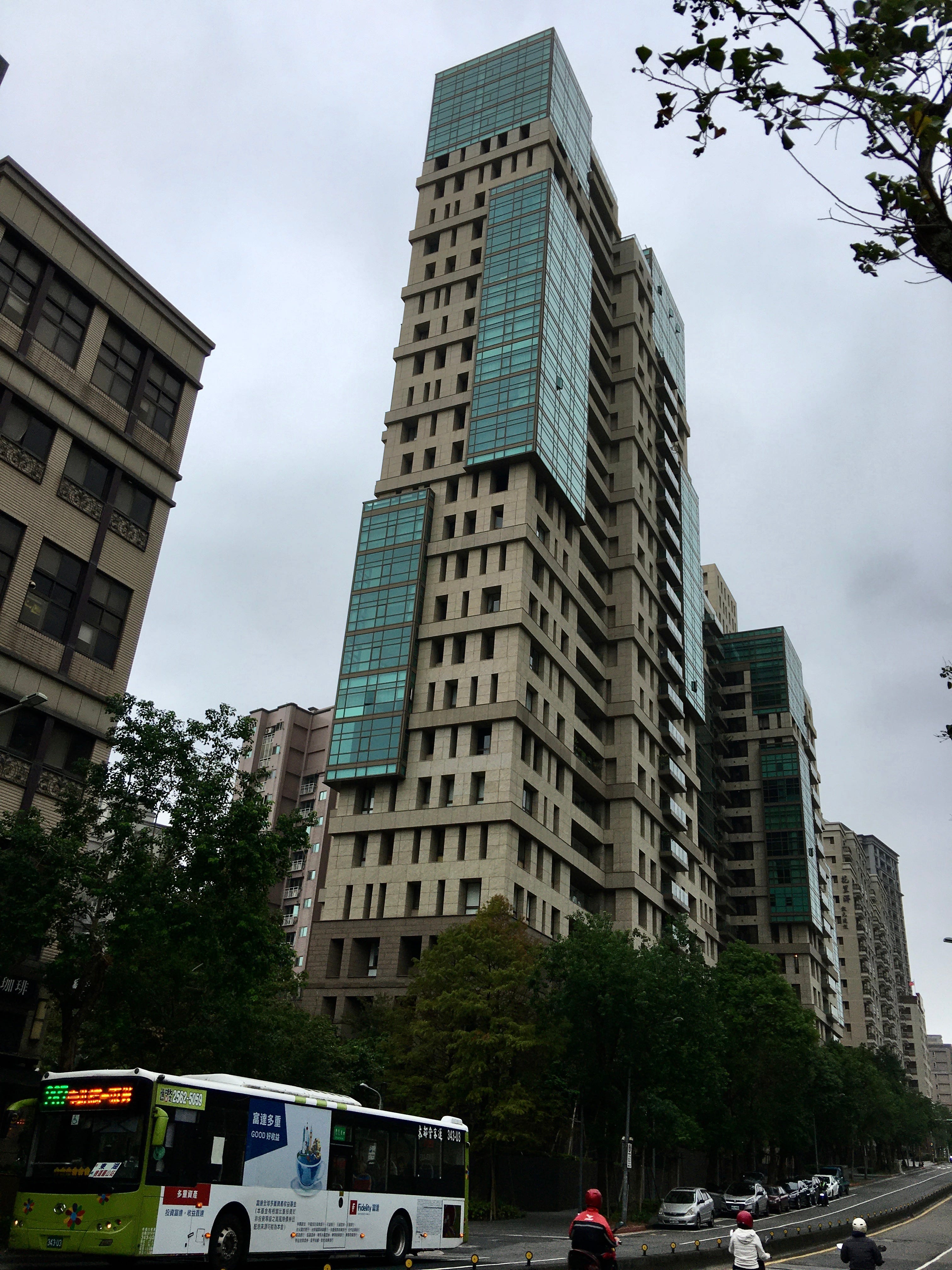
Below is a building across from the new American Institute in Taiwan (AIT) compound in Taipei (de facto U.S. Embassy). I was told by a Taiwan intelligence source that a mainland Chinese company bought an entire floor, allegedly an upper floor.
This would give Chinese intelligence a full line-of-sight of the AIT compound. An AIT source that I asked about the issue, said that it was “normal at all our embassies” to have surveillance. It seems no one cared. It would have only taken one phone call to the Taiwan President to have the Chinese thrown out, but do not expect AIT to do it. In Taiwan, AIT has been dubbed “Assholes In Taiwan” by the Taiwan military brass.
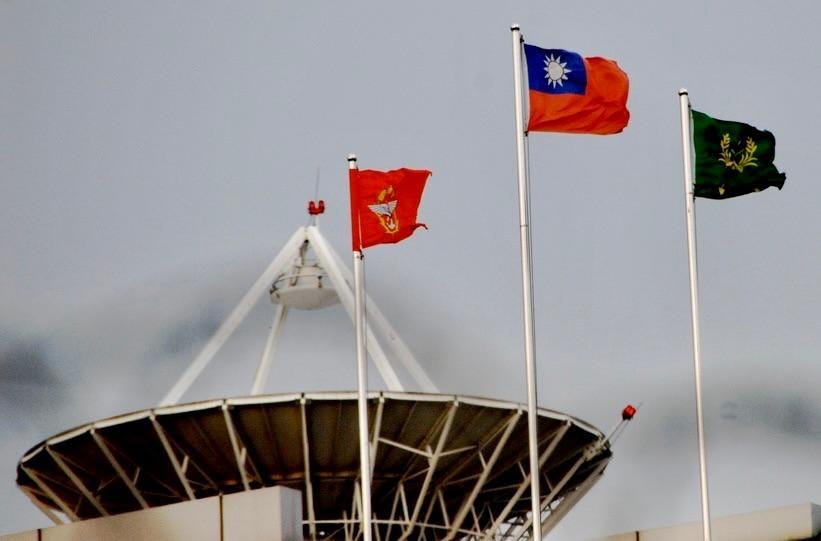
When you are around a sensitive facility always take a picture of the flag. On the below photograph you can see the green flag on the right and number of stars. This represents the army and the stars identify the commander’s rank. I took the below photograph at the signal intelligence (SigInt) facility in Linkou in northern Taiwan.
Also never forget that security at these bases have men in plain clothes, normally wearing baseball caps and military-style cargo pants, that will take positions near you to monitor your picture taking. Be sure to shoot the facility as quickly as possible and then take the memory card out and hide it. Use another memory card to shoot the park scenery. If they detain you and take a look at the memory card on a computer it will only be the birds and the bees.
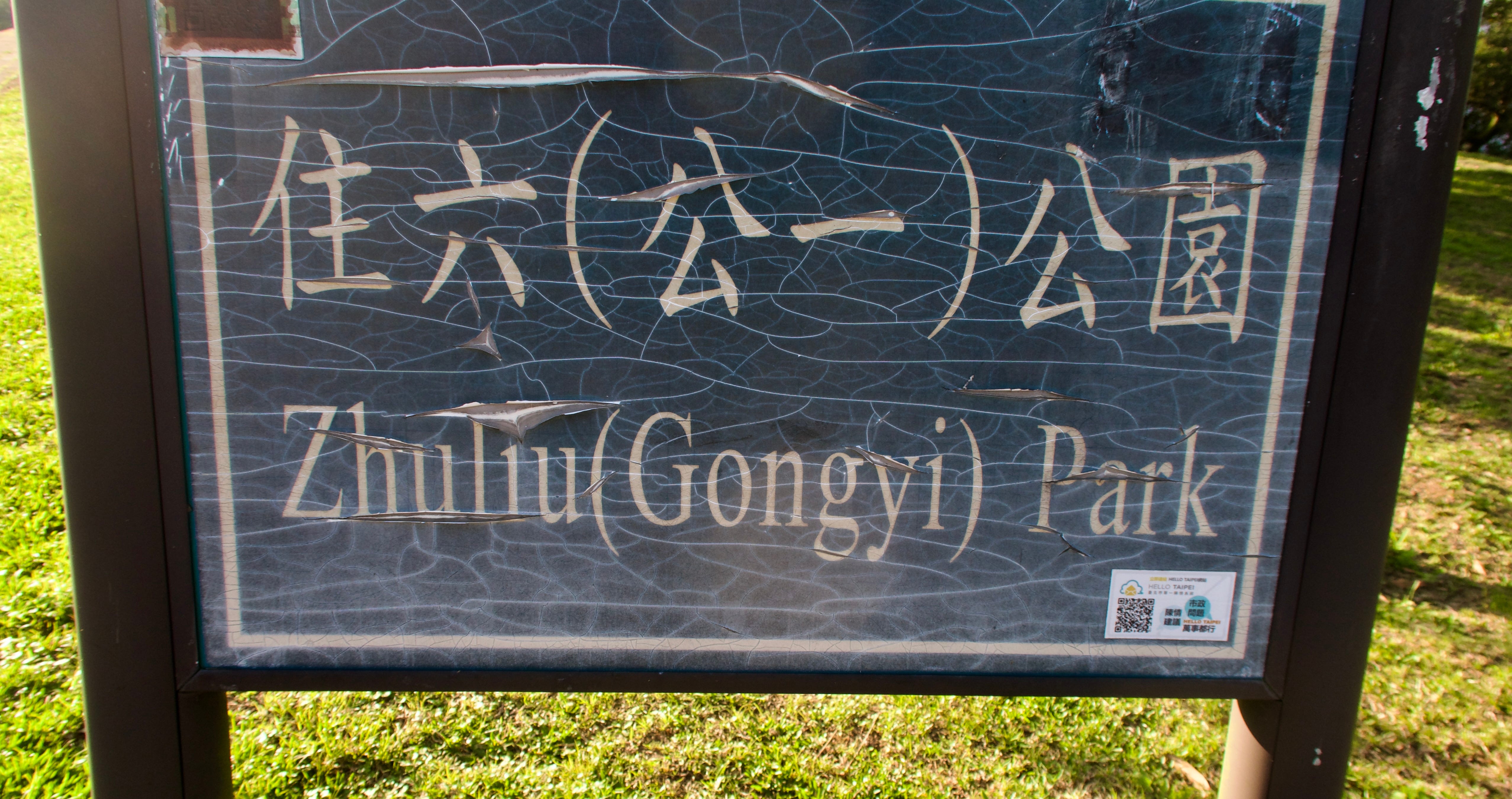
The park above is across the street from the JV SigInt facility in Yamingshan run by the U.S. National Security Agency and Taiwan’s National Security Bureau.
Proof of the “site visit” is required for your editors and critics. This can be done by simply photographing the corner road sign or the building itself.
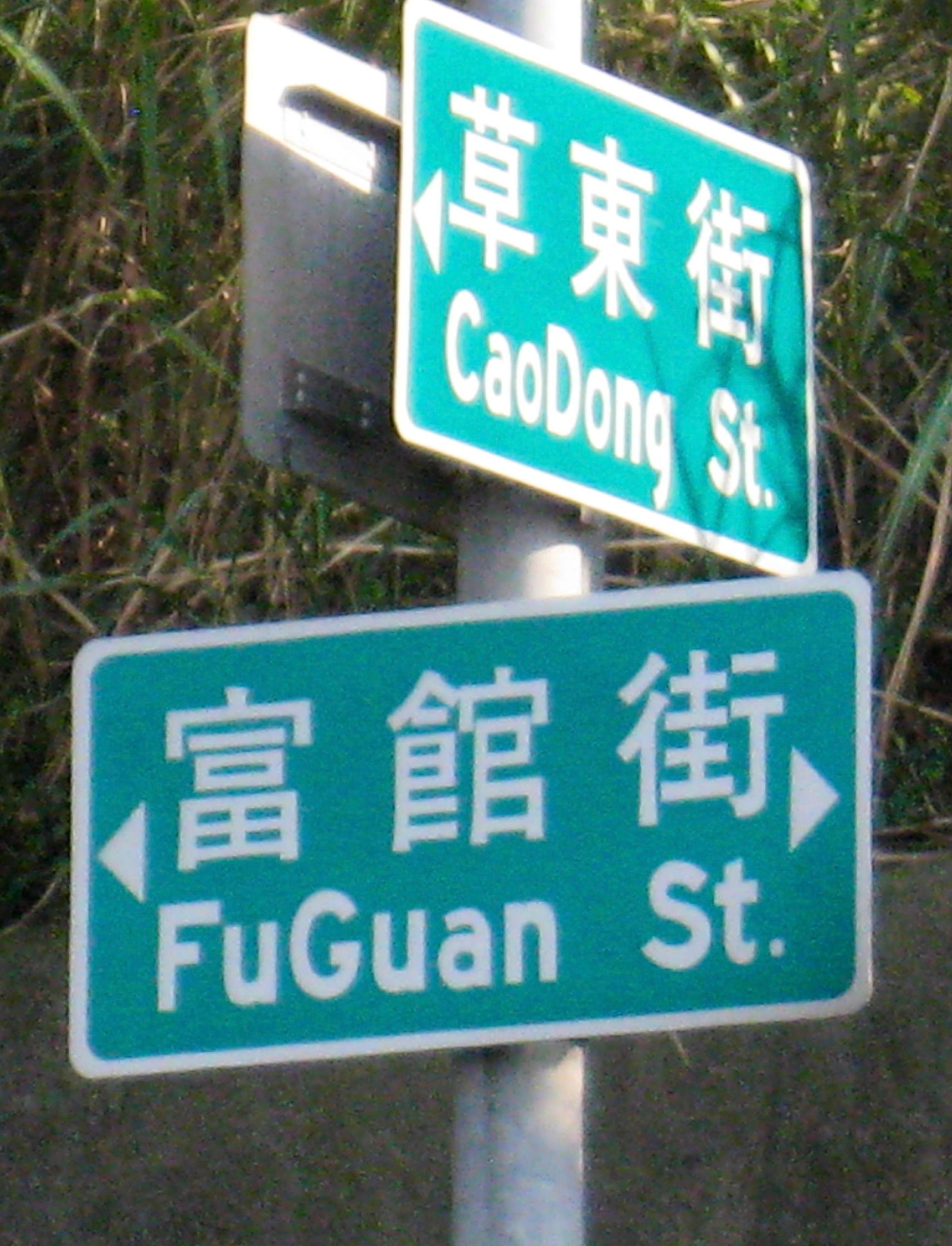
Sometimes you cannot write the truth. But you can add a photograph as cover art for your “curtain raiser” story; these stories are often lengthy and are the first story for an airshow or defense exhibition.
The below photograph I took at one of the Airshow China (Zhuhai) is an example. I never mention GE was next to the PLAAF in my article. GE would have called to scream at my boss.

If my editor had rejected the photograph, I would have simply reached out to fellow military journalists who attended the event to offer one of them the photograph to write up (without mentioning me).
Journalists can be enraged very easily and retribution is often swift. Once again, you have to be the boss.
Other Foreign Journalists - Friend or Foe?
“The rest of us recognized the danger of the endless envy of those not blessed. We must not remind them that Giants walk the earth.” - Superman warns Batman in graphic novel: Batman: The Dark Knight (2008).
Members of the Foreign Press Clubs at capitals around Asia often have a Friday night Happy Hour. This is the only time these clubs are busy. No one hangs out there during the week. The Hong Kong FCC is too pretentious to enjoy an evening alone, but Friday is doable. Ironically, the monthly membership at the HKFCC is far too high for most journalists. It has become a haven for bankers and financial big wigs. They like the ambience of being in the midst of war correspondents who pass through.
The Taiwan FCC has no facilities. They simply meet at a different venue one Friday every month. I have learned to avoid the writers and hang out with the photographers. They are far more sarcastic and you can make friends quickly. They do not see you as competition. They dress very differently than the scribes.
Scribes wear suits and bow ties, Harry Potter glasses, and remind everyone around them they are submitting one of their stories for a Pulitzer.
Run away from these people.
Photographers dress down. Cargo pants, photographer vests, hiking boots, etc. They are far more interesting than scribes.
Photographers love souvenirs. One of my war photographer friends attended the cremation of Pol Pot in Cambodia. As the wood turned into red hot ambers, a part of a leg bone poked out. He stepped forward, as if trying to get a different angle for a picture, and stepped on the bone to roll it out. Looking around carefully, he put his boot on it and bent down to tie his shoes. The bone broke in two and he stood slowly with both pieces in his hand. He shared one with a fellow photographer. The other sets on his mantel at home.
It was like a piece of Hitler on your bookshelf.
Journalists will hate you if you break too many big stories. One trick they use is to mangle your name. Mine was “Maniac”, twisted from Minnick.
Their world view is they are “professional journalists” who ask “tough questions” and even if the answer is a lie - the journalist will write it up and publish it.
Many of them are stringers who work for big name media institutions, but get treated like shit. So it is not unusual for a stringer to flash their name card with a big media name and scowl at you when you ask them: “are you staff?”
Never allow journalists to be your friend on Facebook and LinkedIn. If so, they are looking at your sources to harvest. All my LinkedIn contacts are in the defense and intelligence community. Facebook is only for old friends and family. I keep both locked down to such a degree that visitors can see nothing unless I accept their request to join.
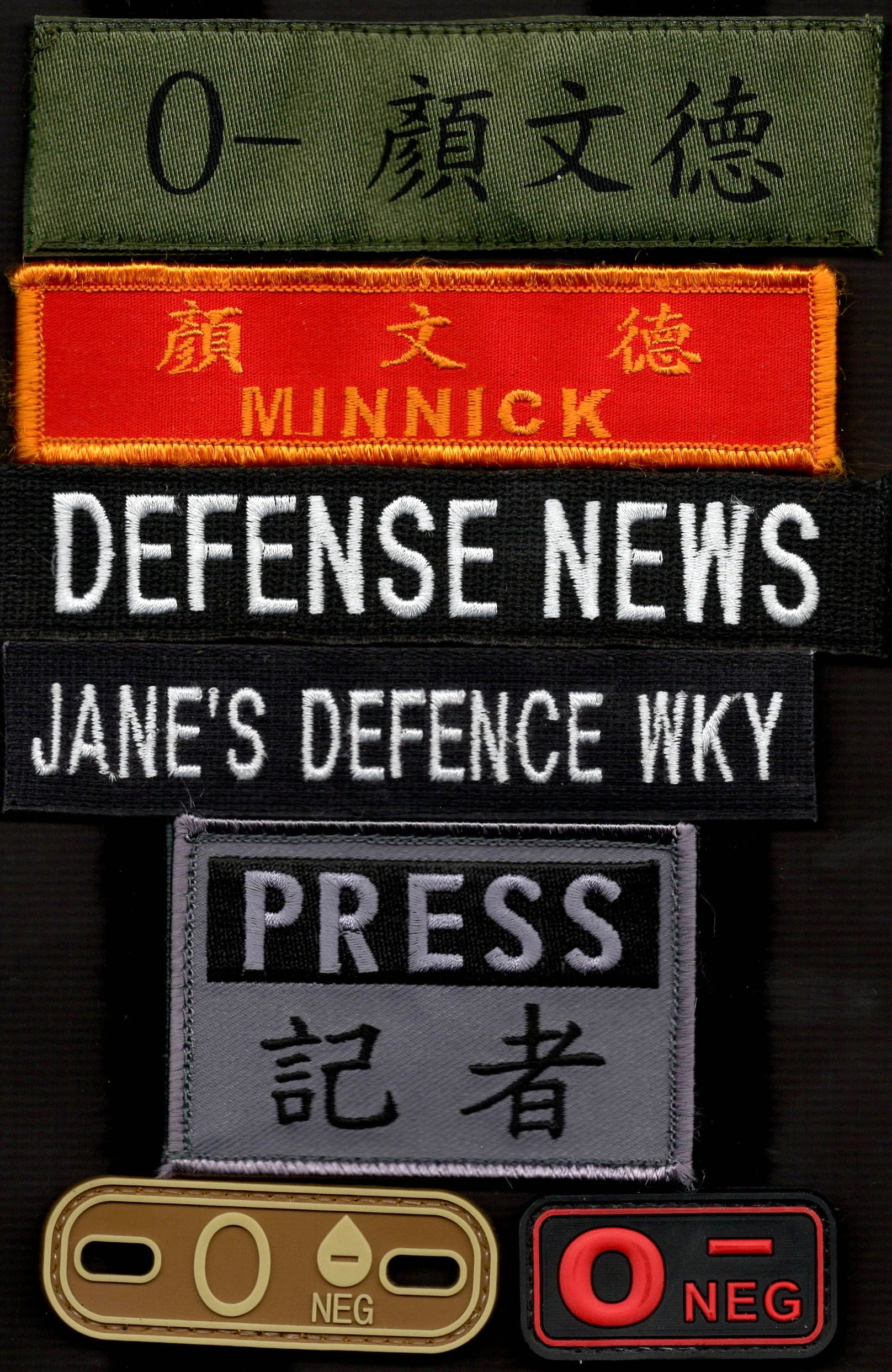
If you wear a vest on a military exercise or in a war zone, these are the type of patches (with velcro) that can be used when appropriate. If you are a U.S. citizen do not wear an America flag. This could get you killed. When I was in countries that were not friendly to the U.S., I would wear a Canadian T-shirt.
Also, get some blood type patches when you are going to be around ordnance. Some U.S. special operation personnel, Green Berets and Seals, get their blood type tattooed on them.
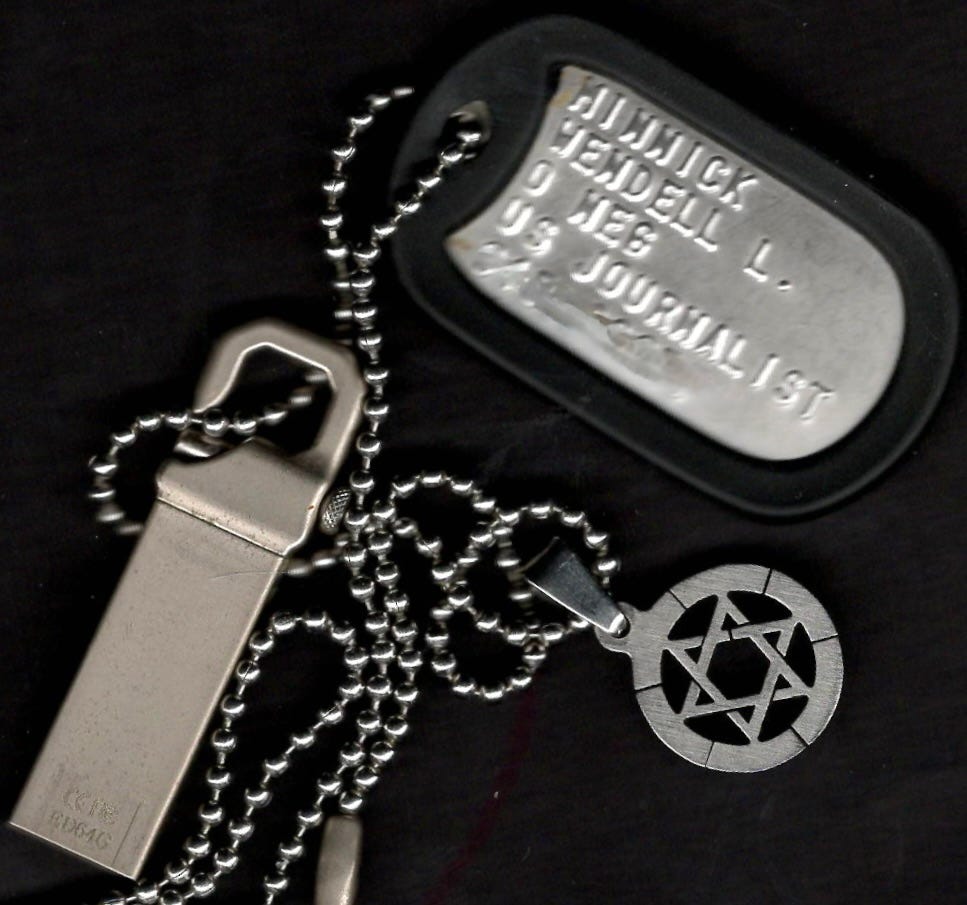
I am old fashioned, but dog tags have some practicality. Mine has my name, citizenship, blood type, and passport number. Additionally I carry a metal thumb drive and a talisman. Mine is the Star of David, but I remove it in the Middle East.
Some have all kinds of talismans: four leaf clover, crucifix, memento mori, etc. Do not forget that blast injury could push these metal objects into your body. I have been around a lot of close calls with munitions detonating unexpectedly; you can feel every bone in your body.
Research Tools
You must consider the following resources:
1) The 650-page annual Open Source Intelligence Techniques: Resources for Searching and Analyzing Online Information by Michael Bazzell. It might be cheaper to buy last year’s edition, but is a life saver.
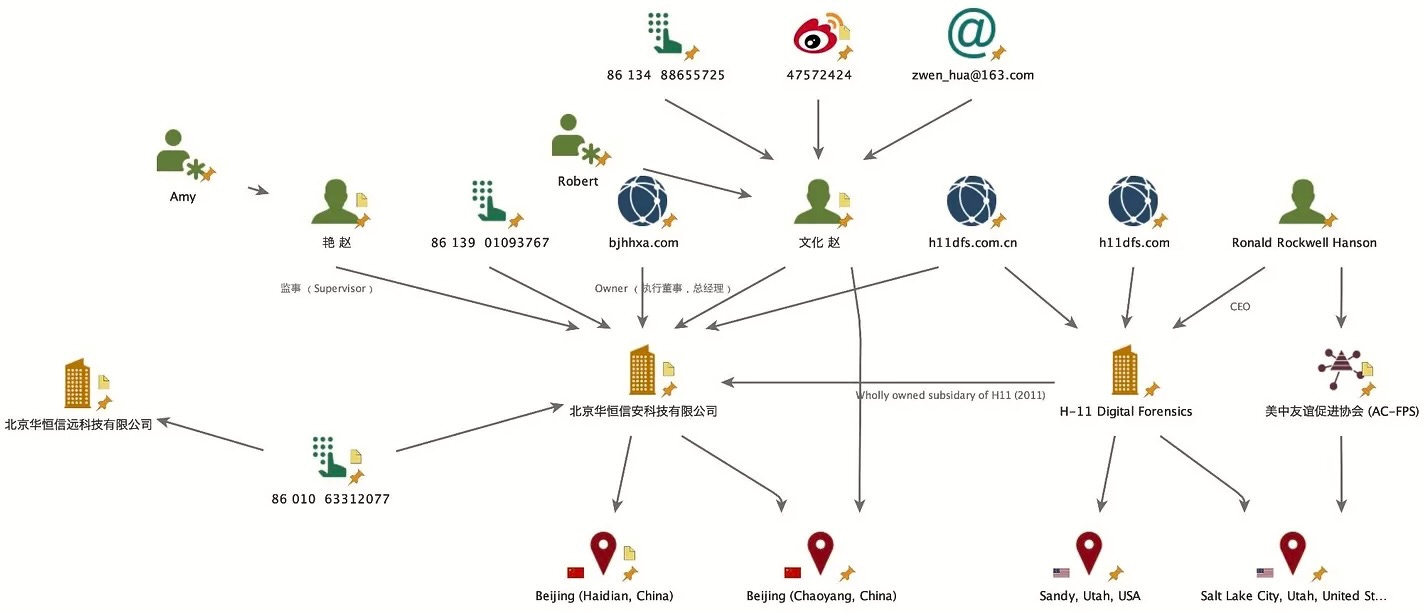
2) Maltego is a free research data system that allows you to see things you missed in your research. Click Maltego. See example below.
Due Diligence
So if you want to be an investigative journalist, you might as well work for a due diligence (DD) company like Black Peak or Control Risks. At least you get paid massive amounts of money and it is basically the same job. Some investigative journalists covering business or military issues end up in the DD community.
Journalism is, indeed, dying. And if you can do a few years living overseas and perfect the language, I recommend the DD world later as a career option.
END